Prison for the goalkeeper? The legal maze after Jesús de Miguel's death in Spain
Spain's National Police opened an investigation into possible reckless homicide involving goalkeeper Jesús Owono after the death of the Tenerife striker. The autopsy will be key to clarifying the cause and how the emergency was handled.

The death of Jesús de Miguel at 30, after a violent collision with Andorra goalkeeper Jesús Owono, has moved the tragedy from the pitch to the courts. Spain's National Police opened a judicially supervised investigation into a possible offence of reckless homicide to determine whether the goalkeeper bears any criminal responsibility. Opening an investigation does not mean Owono has been charged or is guilty.
The collision happened in stoppage time of Tenerife's match against Andorra at the Estadio Heliodoro Rodríguez López. De Miguel went for a long ball outside the box, Owono came out to claim it, missed the ball and struck him in the chest with his knee. The striker fell unconscious and the referee sent the goalkeeper off with a straight red card.
Could he go to prison?
Under criminal law, Article 142 of Spain's Penal Code provides for one to four years in prison for homicide through gross negligence, and a fine of three to 18 months when the negligence is less serious. In contact sports, however, legal experts usually invoke the doctrine of "permitted risk": injuries arising from a play with the ball in dispute and no intent to harm are part of the risk players accept.
There are no known cases in Spain of a footballer being jailed over an incident in play, so the most likely punishment is a sporting one. The Competition Committee will review the referee's report and the footage, and specialists consulted by El País say Owono could receive a ban of up to 12 matches.
Medical care under scrutiny
The other debate concerns the emergency itself. Cardiologists consulted by Spanish media say the knee to the chest is consistent with commotio cordis, a blow to the chest that, if it lands at a precise moment of the heartbeat, can trigger ventricular fibrillation and cardiac arrest. In such cases, resuscitation guidelines call for starting chest compressions and using a defibrillator as soon as possible.
De Miguel was treated on the pitch and then carried on a stretcher to the ambulance, which stayed off the field. Under the stadium's protocol, players are carried on a stretcher to the vehicle, parked next to the dressing rooms, and the ambulance only enters the pitch when the patient has been fully immobilised, which did not happen in this case. According to Diario de Avisos, the cardiac arrest lasted about 20 minutes before he regained a pulse and was taken to Hospital Universitario Nuestra Señora de Candelaria, where he died hours later.
For now there is no official conclusion on whether the care could have been handled differently: TUDN, citing Sport, says all indications are that the medical team followed established protocols. The autopsy will be the key piece of evidence to establish the exact cause of death and the moment of the arrest, and for the court to determine whether anyone bears responsibility.
Sources: Fox Sports: Policía investiga muerte de Jesús de Miguel · UnoTV: Policía abre diligencias por homicidio imprudente tras la muerte de Jesús de Miguel · Infobae: cómo fue la jugada de Jesús de Miguel · Diario de Avisos: Jesús de Miguel, entre la vida y la muerte sobre el césped · TUDN: ¿Por qué no entró al campo la ambulancia? · COPE: José Abellán, cardiólogo, sobre la commotio cordis
Have you seen this round's previews?See previews →More stories
 Goodbye to Mbappé's record! Lamine Yamal reaches 14 goals to become the highest-scoring teenager in Champions League history
With his 7th-minute goal against Aston Villa, the Barcelona star reached 14 European Cup goals before turning 20, moving past the 13 Kylian Mbappé had scored.
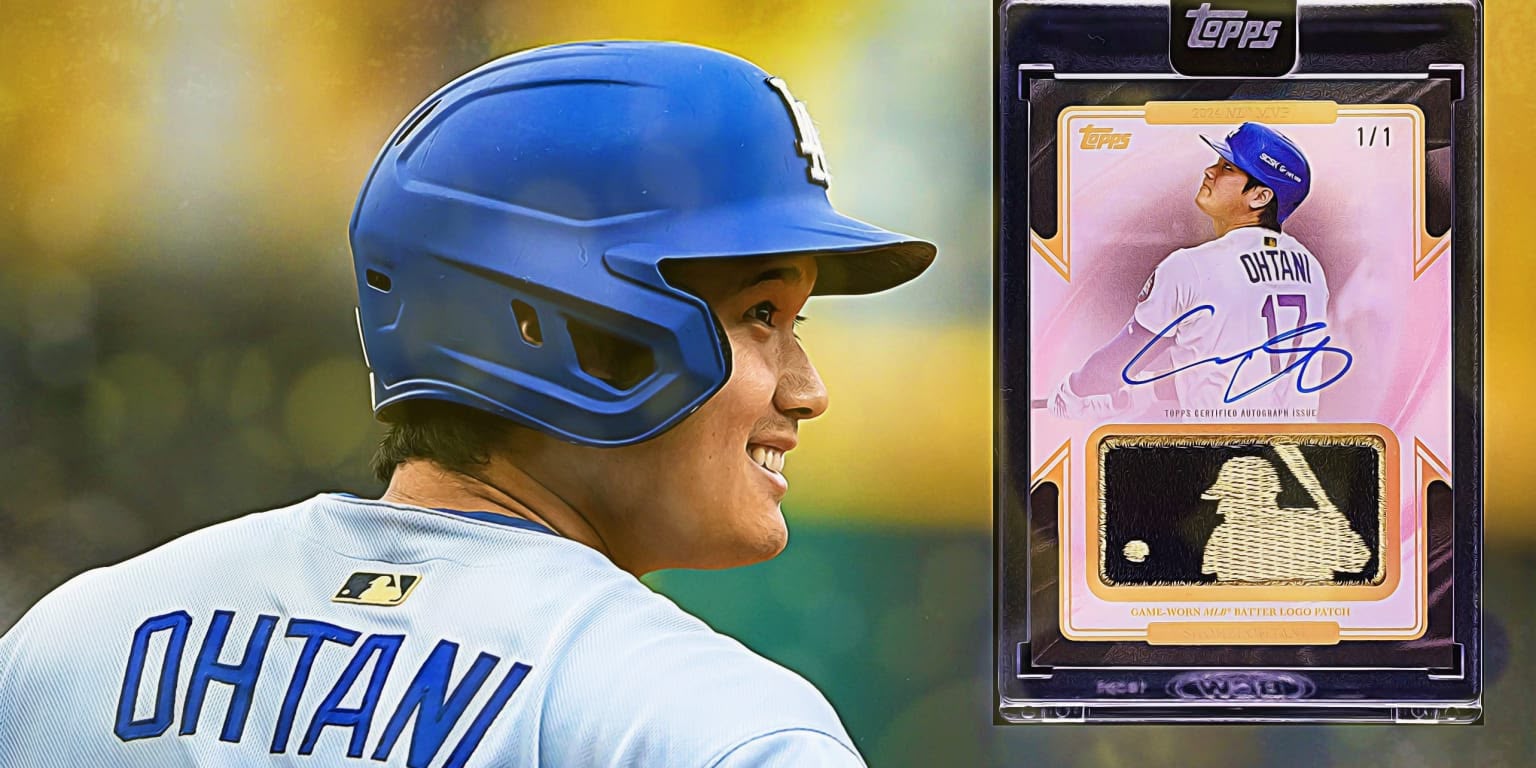 MLB lockout threat puts the billion-dollar baseball card business in check
With MLB's labor deal set to expire on December 1, the baseball card industry faces a crossroads between frozen prices for stars and heavy losses for manufacturers and shops.
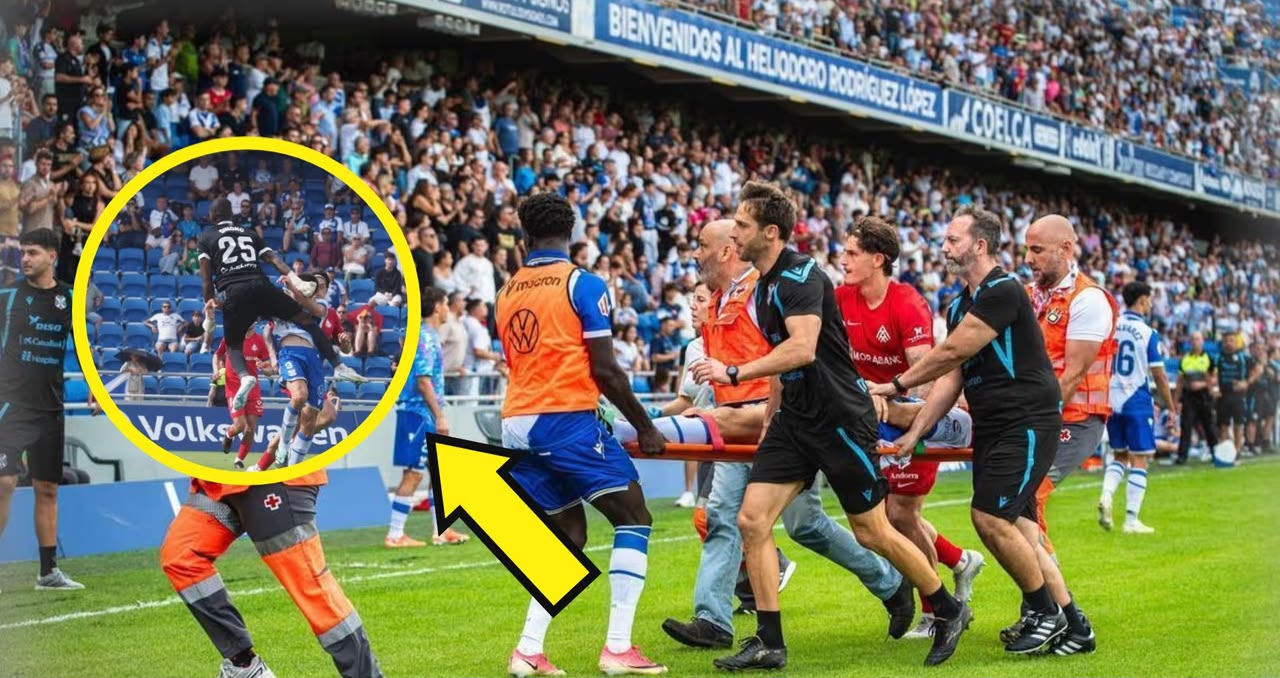 Tragedy in Spanish football: Tenerife striker Jesús de Miguel dies after a brutal collision during a match
CD Tenerife striker Jesús de Miguel died in hospital on Tuesday after suffering a cardiorespiratory arrest caused by a violent collision with goalkeeper Jesús Owono during the match against FC Andorra.